Many people assume that having flat feet is just “how their feet are”, something they’ve always had and don’t need to worry about. But when flat feet begin to cause pain, fatigue, or changes in how you walk, it may be a sign that the condition is affecting more than just your foot shape.
Flat feet can impact your entire lower body, from your ankles to your knees and even your posture. Understanding your options for flat feet treatment can help you manage symptoms early and avoid long-term complications.
What Are Flat Feet?
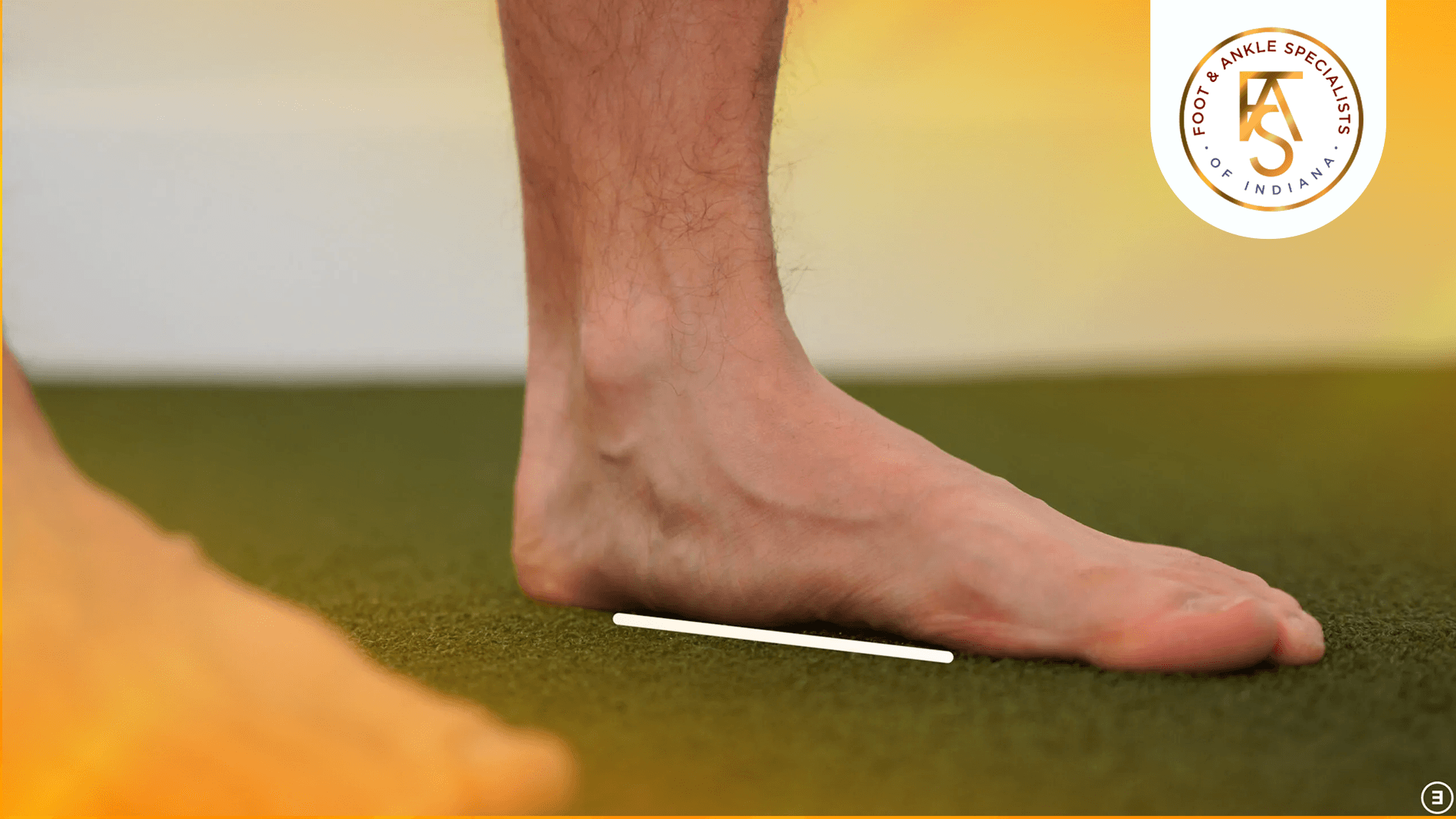
Flat feet, also known as fallen arches, occur when the arch of the foot collapses or does not develop properly, causing the entire sole of the foot to come into contact with the ground.
There are two main types:
Flexible Flat Feet
- The arch appears when sitting or not bearing weight
- The arch flattens when standing
- More common and often less severe
Rigid Flat Feet
- The arch is absent even when not bearing weight
- Typically associated with structural issues
- More likely to cause pain and require treatment
Understanding the type of flatfoot is important in determining the right treatment approach.
Symptoms of Flat Feet
Not all flat feet cause symptoms, but when they do, they can affect daily comfort and mobility.
Common symptoms include:
- Pain along the arch or heel (often described as fallen arches pain)
- Foot fatigue, especially after standing or walking
- Swelling along the inside of the ankle
- Difficulty with balance or stability
- Changes in posture or walking pattern
Over time, untreated symptoms may begin to affect other parts of the body, including the knees, hips, and lower back.
Causes of Flatfoot
Flat feet can develop for several reasons, depending on age and individual factors.
Genetics
Some people are born with flat feet or foot structures that are more prone to arch collapse.
Injury
Damage to tendons, especially the posterior tibial tendon, can lead to loss of arch support over time.
Aging
As we age, tendons and ligaments can weaken, increasing the risk of developing flatfoot deformity in adults.
In many cases, flat feet result from a combination of these factors rather than a single cause.
Flat Feet in Children vs Adults
Flat feet can present differently depending on age, and understanding this distinction is important.
Pediatric Flatfoot
In children, flat feet are often flexible and may improve naturally as the foot develops.
However, treatment may be needed if:
- The child experiences pain
- Walking or activity is affected
- The condition persists over time
Adult Flatfoot
In adults, flat feet are more likely to be progressive and associated with tendon dysfunction or structural changes.
Symptoms in adults often include:
- Pain along the inside of the ankle
- Gradual worsening of arch collapse
- Difficulty with prolonged standing or walking
Because adult flatfoot tends to worsen over time, early treatment is important.
Flat Feet Treatment Options
Treatment for flat feet depends on the severity of the condition and the level of discomfort.
Non-Surgical Treatment
For many patients, conservative care can help manage symptoms and improve function.
Options include:
- Custom orthotics to provide proper arch support treatment
- Supportive footwear
- Physical therapy to strengthen the surrounding muscles
- Activity modifications to reduce strain
These treatments aim to relieve pain and support the foot’s structure.
Surgical Options
In more advanced cases, surgery may be considered to correct the underlying issue.
Procedures may include:
- Tendon repair or reconstruction
- Bone realignment
- Structural correction of the arch
Flat feet surgery is typically recommended when conservative treatments are no longer effective.
When Is Surgery Necessary?
Surgery is not always required, but it may be recommended if:
- Pain becomes persistent and limits daily activities
- The arch continues to collapse over time
- Conservative treatments fail to provide relief
- Walking or standing becomes increasingly difficult
The goal of surgery is to restore alignment, reduce pain, and improve overall function.
A specialist can evaluate your condition and determine whether surgical treatment is appropriate.
Long-Term Effects if Untreated
Ignoring flat feet symptoms can lead to additional problems over time.
Potential long-term effects include:
- Chronic foot and ankle pain
- Tendon damage or dysfunction
- Increased risk of arthritis
- Misalignment affecting knees, hips, and lower back
Addressing symptoms early can help prevent these complications and improve long-term outcomes.
Take the First Step Toward Relief
Flat feet may seem like a minor issue at first, but when symptoms develop, they can significantly impact your comfort and mobility.
The good news is that with the right treatment approach, it’s possible to manage symptoms, improve support, and restore function.
At Foot & Ankle Specialists of Indiana, Dr. Mieasha Hicks-Barksdale and Dr. Neathie Patel provides personalized care for both pediatric and adult flatfoot conditions. From conservative treatments to advanced surgical options, our goal is to help you move comfortably and confidently again.
If you’re experiencing foot pain, fatigue, or changes in your arch, schedule an evaluation and explore the best treatment options for your needs.
Greenfield Location
1769 Melody Lane
Greenfield, Indiana 46140
317-937-8503
Indianapolis Location
5162 E Stop 11 Rd, Suite 6
Indianapolis, IN 46237
317-881-0788
Fax (All Offices)
833-906-2372


